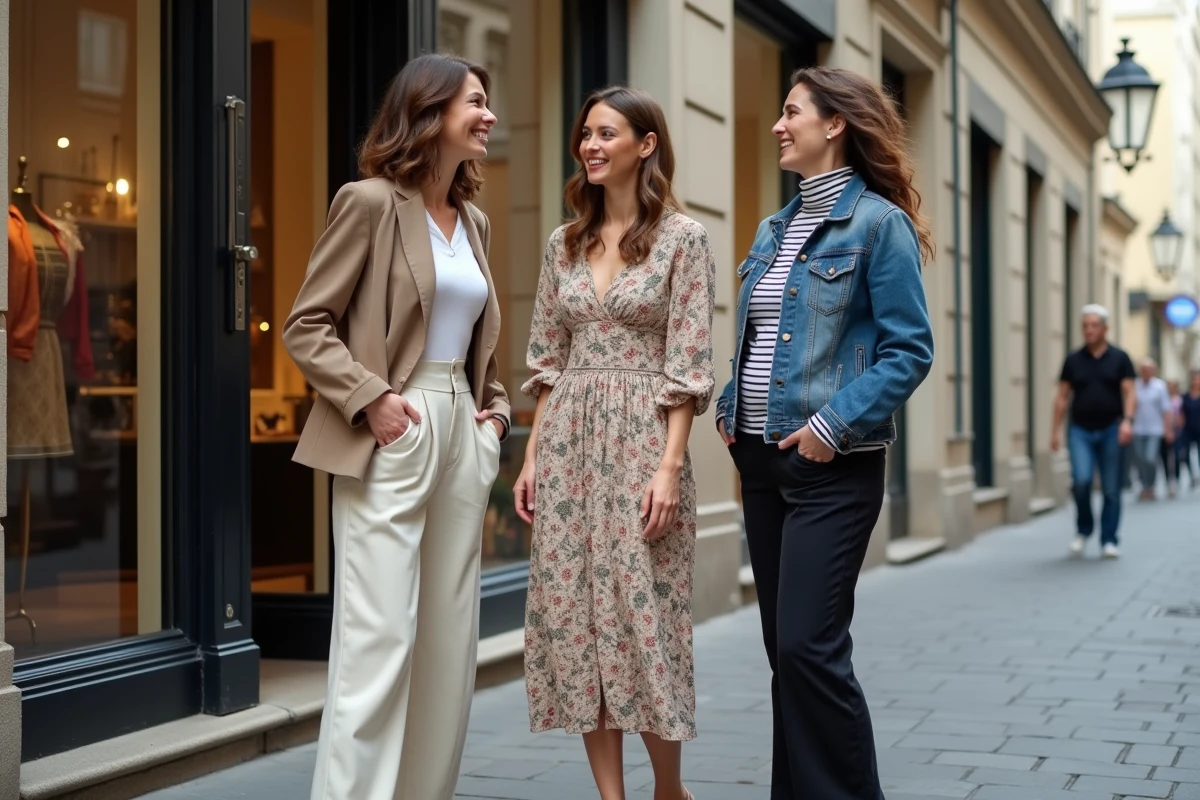
How to measure the real degree of inclusivity in current fashion? Between runway shows showcasing diverse castings and the collections actually available in stores, the gap remains a more reliable indicator than statements of intent. Fashion trends for all are no longer limited to sizes or genders: they encompass mobility, age, neurodiversity, and gender identities, with concrete translations in the textile offering.
Adaptive fashion and classic ready-to-wear: what still separates them
The adaptive fashion category has long operated in a parallel circuit, with specialized brands that are not very visible. Since 2022-2023, brands like Tommy Hilfiger and Nike have introduced dedicated lines incorporating magnetic closures, side openings, or textiles compatible with prosthetics.
The structural change lies in distribution: these collections now have distinct e-commerce sections with specific search filters (mobility, closures, sensory textiles). At retailers like Target or Kohl’s, adaptive fashion is no longer categorized under an “accessibility” tab but within standard clothing categories.
| Criteria | Classic ready-to-wear | Adaptive fashion |
|---|---|---|
| Closures | Buttons, standard zips | Magnets, velcro, one-handed zips |
| Cuts | Fitted or oversized depending on trend | Designed for sitting positions or wearing medical devices |
| Textiles | Aesthetic choice prioritized | Softness, absence of irritating seams, suitable stretch |
| Distribution | Mixed or gendered sections | Dedicated e-commerce categories with functional filters |
| Price | Variable by brand | Often aligned with equivalent ready-to-wear at major retailers |
This table illustrates a often underestimated point: adaptive fashion no longer sacrifices style for functionality. Recent lines adopt the cuts and colors of classic seasonal collections.
To explore looks that intersect current trends and inclusive approaches, the fashion section on Hermaphrodite regularly compiles inspirations covering different body types and identities.
Diversity on Fashion Week runways: normalization or communication
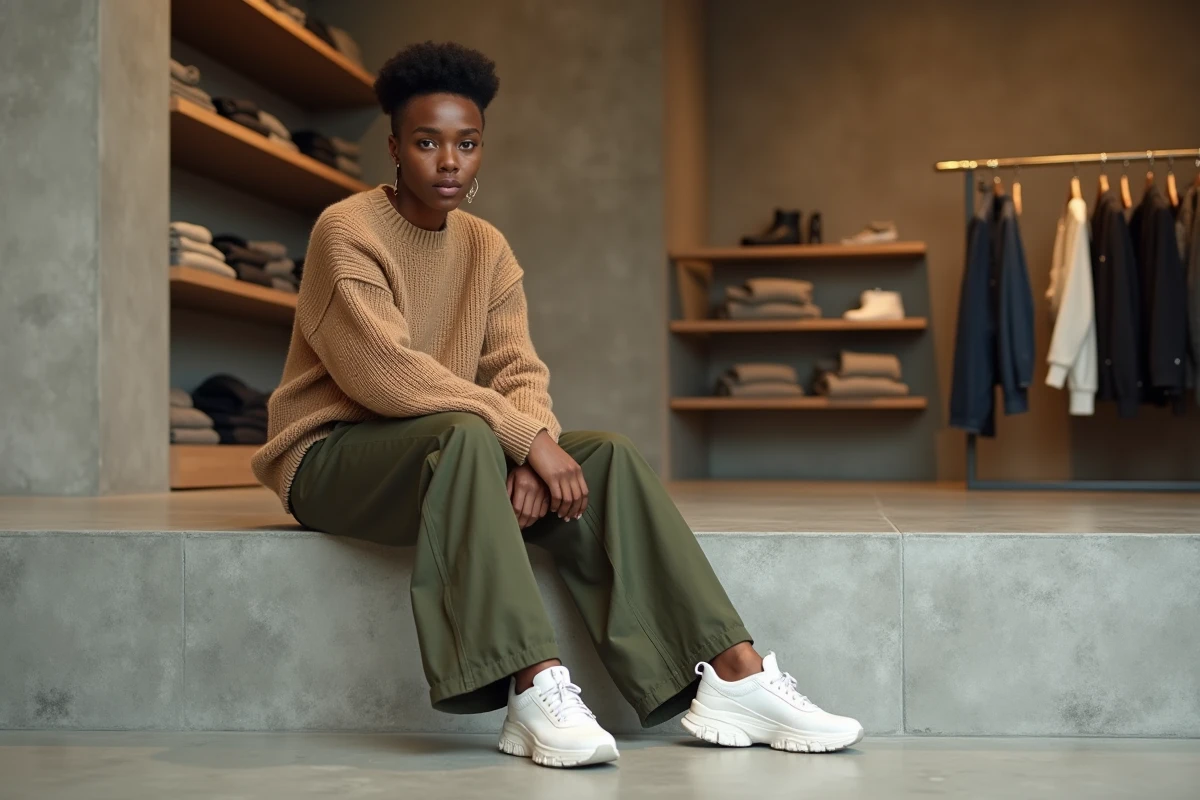
The 2023-2024 seasons marked a measurable turning point in casting for runway shows. In Paris, London, and New York, plus-size, senior, disabled, or transgender models are no longer confined to a few activist shows. Their presence extends to major fashion houses, as documented by Vogue Business and The Business of Fashion in their seasonal reviews.
The difference from previous years lies in consistency. A senior model on a Balenciaga runway in 2019 made headlines. Multiple models with varied profiles across a dozen shows per season generate less buzz, but reflect a gradual normalization of body and identity diversity.
What the runways do not address
A runway remains a showcase. The pertinent question is whether the pieces presented exist in an expanded size spectrum afterward. On this point, the gap persists: many houses feature varied profiles on the runway but sell their collections in limited size ranges.
In contrast, some brands like Universal Standard or Girlfriend Collective have adopted the opposite model: extended size range from the design stage, then visibility on runways or in campaigns.
Colors, cuts, and seasonal prints: what transcends all body types
Spring-summer trends highlight pieces that work across a wide spectrum of bodies, without requiring specific adaptations.
- The barrel jean, with its loose fit at the thighs and tapered at the ankles, suits both slim silhouettes and broader body types while staying within current style codes
- Butter colors and pastel tones, very present this season, play on brightness rather than contrast, making them flattering regardless of skin tone
- Large-scale floral prints, recurring on blouses and dresses, draw attention to the pattern rather than the silhouette, an asset for those who prefer to divert attention from specific areas of the body
The bermuda, another key piece of the season, exemplifies inclusive logic through style: a mid-length cut that does not depend on a leg standard. Worn with a colorful short jacket or an oversized sweater depending on the temperature, it adapts to various contexts.
Textiles and sensory innovation: a still under-exploited area
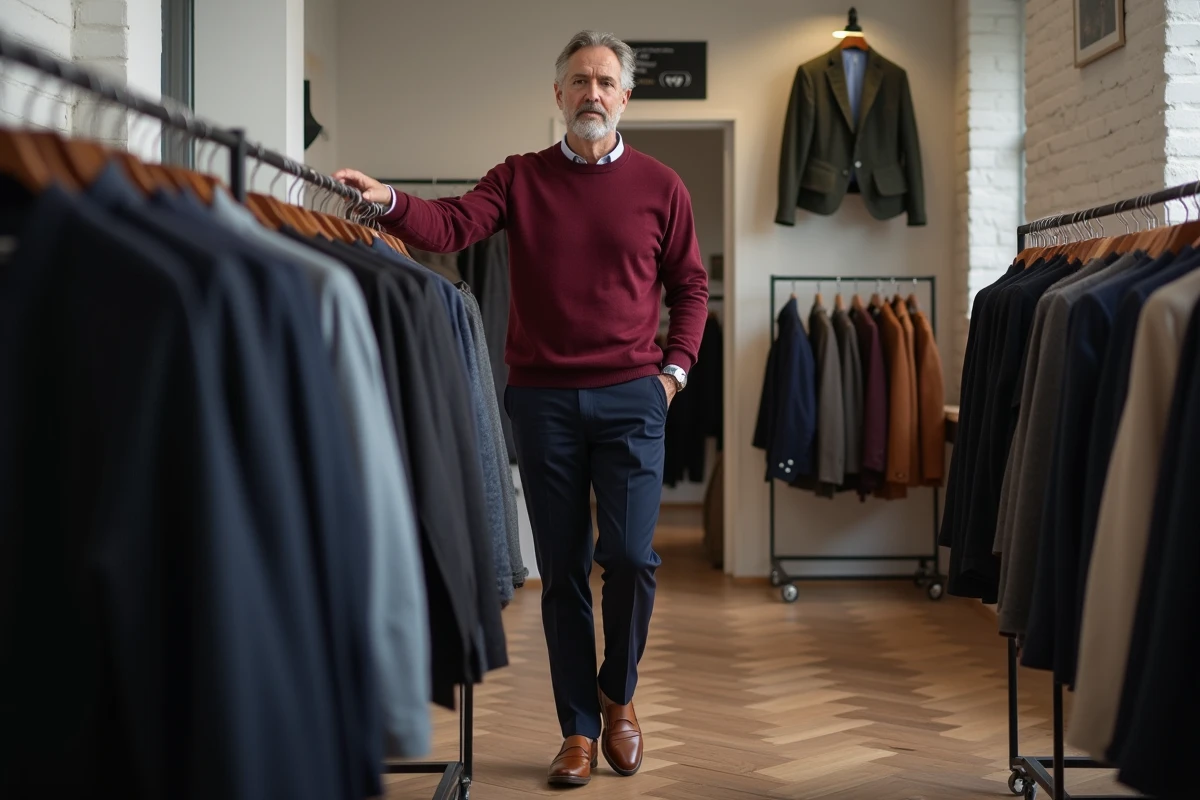
Inclusive fashion is not limited to sizes and genders. Neurodivergent or hypersensitive individuals represent a segment that most mainstream brands still overlook. Rigid labels, thick seams, or rough synthetic textiles pose real daily challenges.
Adaptive fashion brands have integrated these constraints: removal of sewn labels, flat seams, and certified irritant-free fabrics. Classic ready-to-wear is starting to take an interest, particularly in children’s lines where parental demand is more explicit.
The challenge for upcoming seasons lies in transferring these sensory innovations to mainstream adult collections. A barrel jean in soft denim with flat seams and a printed label is technically not revolutionary, but it is almost nonexistent in the current offering.
Fashion for all cannot be decreed on a runway or in a press release. It is measured in the filters of an e-commerce site, in the size chart of a seasonal collection, in the texture of a fabric against sensitive skin. Brands that progress on these three fronts simultaneously remain rare, making each advancement all the more significant.