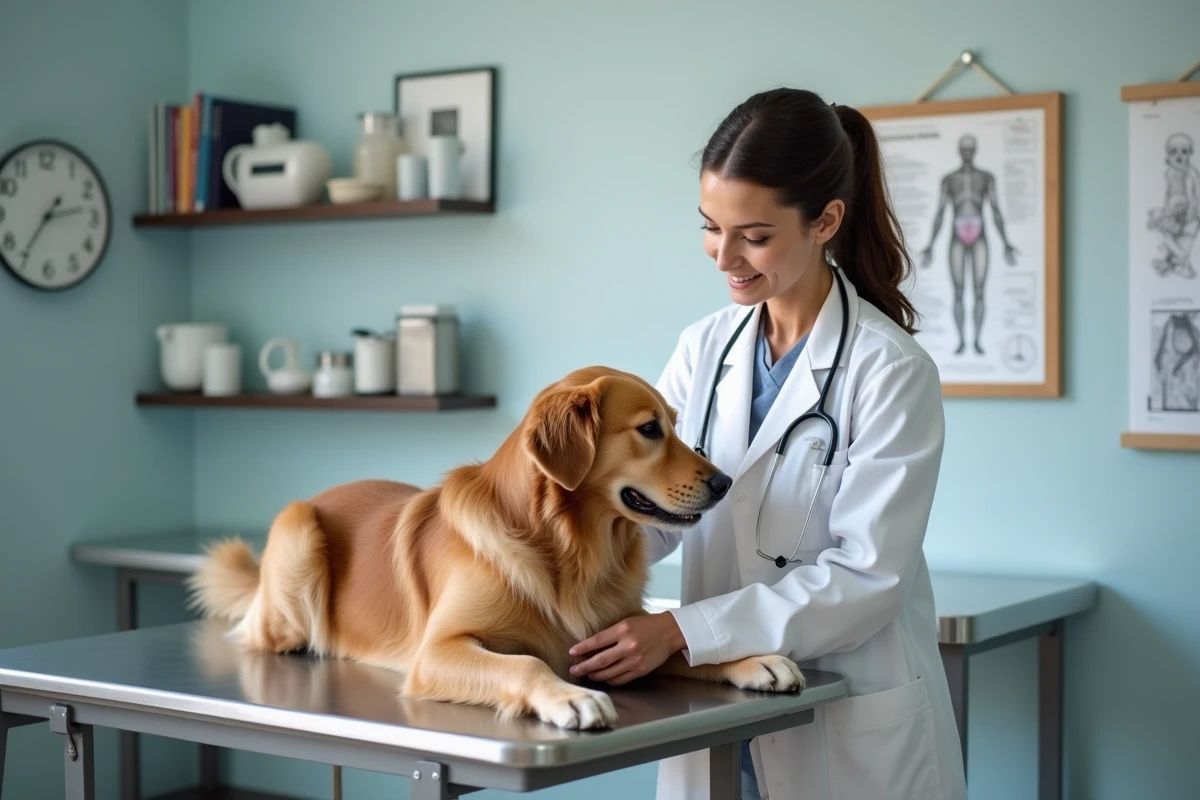
Self-medication in animals is not a marginal issue. Every year, tens of thousands of owners try to relieve their dog’s ailments themselves, convinced that what works for them will also work for their companion. However, behind this good intention lie formidable traps. Spasfon, for example, sometimes finds its way into our pets’ bowls without any scientific validation. Invisible risks, unexpected reactions: the verdict is never guaranteed. And the consequences can range from simple ineffectiveness to much more serious complications.
Why some human medications like Spasfon can be dangerous for dogs
A Spasfon tablet is not an innocuous treat for your dog. Behind its reputation as a mild remedy for human digestive cramps lies a product that has never been tested or approved for canine organisms. It is not an anti-inflammatory, contrary to what some may think. Caution is essential: a dog’s metabolism is nothing like that of a human, and reactions to the same medication can vary drastically.
The absorption, transformation, and elimination of molecules differ according to species, breed, age, or even the health status of the animal. A medication tolerated by humans can prove toxic to a dog. Side effects are not uncommon: vomiting, persistent digestive issues, neurological symptoms, liver or kidney damage… Cats, too, sometimes pay a heavy price for a tiny dose.
Several aspects illustrate the complexity of the situation:
- Species, breed, and age variables: an active ingredient can yield very different results from one animal to another.
- Absence of veterinary dosage: without a professional reference, the risk of overdose or ineffectiveness is real.
- Unpredictable side effects: allergies, blood anomalies, worsening of existing health problems.
Before giving in to the temptation of human medication to relieve digestive issues, one step is essential: seek the veterinarian’s opinion. The page “ Spasfon for dogs according to Relais Santé ” rightly reminds us that unregulated self-medication can trigger serious intoxications. Veterinary emergencies regularly see animals affected by these accidents, proof that vigilance is never unnecessary.
Recognizing signs of drug poisoning in your pet and reacting without panic
One mistake can disrupt daily life: your dog has just swallowed a human medication. There’s no need to panic, but certain signs are unmistakable and require swift action. Sudden lethargy, difficulty breathing, repeated vomiting, or unusual agitation should raise immediate alarms. In dogs or cats, the reaction can be rapid and the severity unpredictable.
Other symptoms should also draw attention: changes in behavior, tremors, excessive salivation, loss of coordination. Sometimes, the presence of blood in the stool, pale mucous membranes, or refusal to eat adds to the warning signals. Do not wait for the situation to worsen: every minute counts to limit the damage.
To handle these situations, it is necessary to apply a few simple reflexes:
- Contact a veterinarian immediately to accurately describe the observed symptoms and provide all information about the ingested medication.
- Keep the product packaging handy: name, dosage, approximate time of ingestion.
- Do not attempt to induce vomiting in the animal without medical guidance: some products can worsen injuries if vomiting is induced.
The veterinary poison control center remains a valuable resource. Its expertise allows for tailored management for each case. Veterinary pharmacovigilance systems, such as the Lyon center, collect and analyze these incidents to enhance the safety of animal treatments. Transparency and prompt action often make the difference between a simple scare and a severe complication.

Safe and veterinarian-validated solutions to relieve pain or inflammation in dogs
The best guarantee for relieving a suffering animal is to consult a veterinarian. Improvised treatments multiply the risks of poisoning. Non-steroidal anti-inflammatory drugs designed for dogs are the cornerstone of managing joint pain, locomotor disorders, or post-operative care. These medications are subject to strict controls, and their prescription takes into account the individual: breed, age, history, associated diseases.
Dosing is calibrated for each animal. Under veterinary supervision, side effects remain rare and generally mild: digestive issues, changes in appetite or behavior. Appropriate treatments cover many cases: acute pain, chronic inflammation, musculoskeletal pathologies, or even digestive disorders secondary to certain diseases. The use of human medication has no place in this equation.
Before any treatment, a few simple rules must be followed:
- Always consult a professional before administering any medication.
- Never divert a medication intended for humans for an animal.
- Adhere to the dose and frequency prescribed by the veterinarian.
By following these principles, you protect your dog from unpleasant surprises and provide the care that truly suits them. At the intersection of good reflexes and veterinary expertise, animal health gains safety. Improvisation has never helped a sick companion.