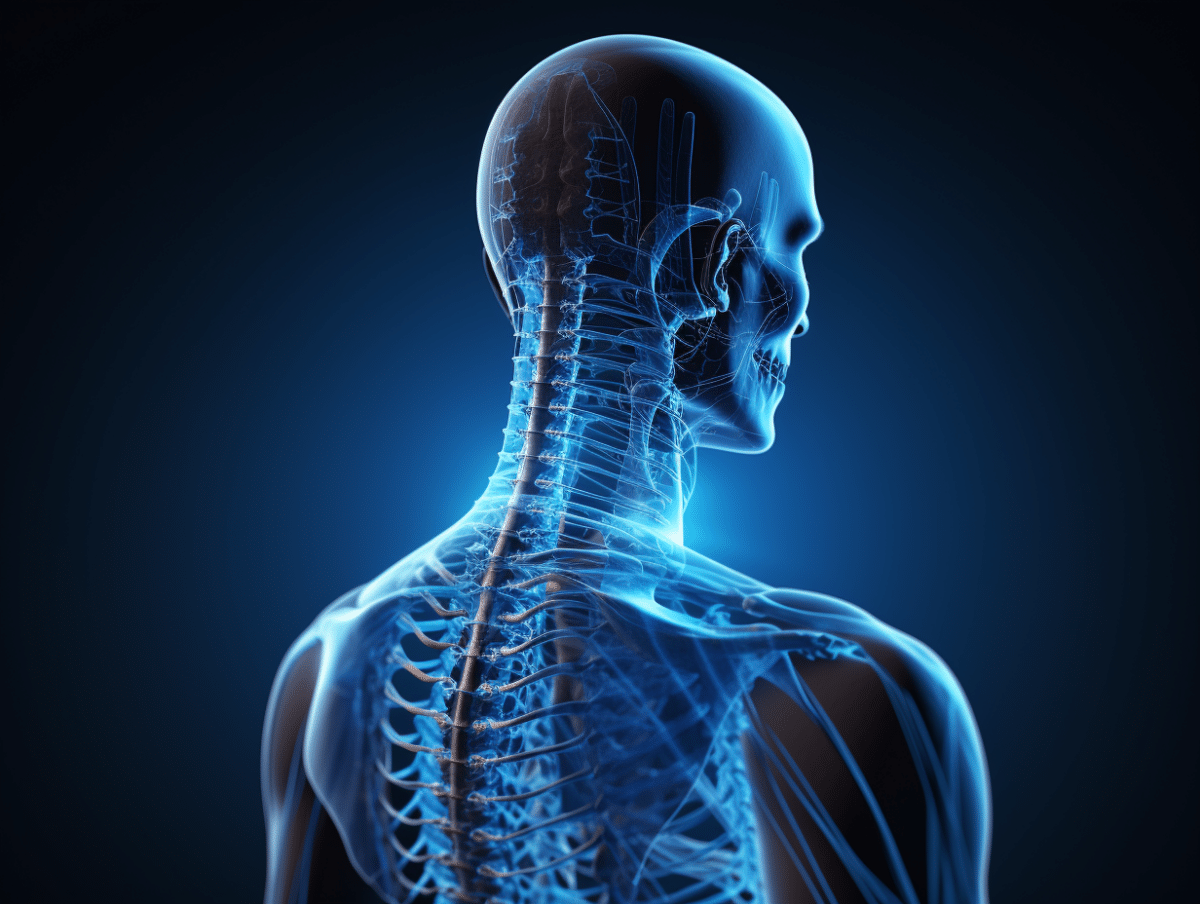
The human back is an architectural marvel made up of a series of bones called vertebrae. These small bones play a fundamental role not only in supporting our body and allowing for a multitude of movements but also in protecting the spinal cord, an essential component of our central nervous system. Unfortunately, the modern lifestyle with its long hours of sitting and lack of physical exercise can lead to tension and imbalances in this delicate structure, resulting in pain and diseases. A better understanding of these small bony structures is crucial for maintaining optimal back health and avoiding long-term complications.
The small bones of the back: roles and interconnections
At the heart of the postural structure, the spine stands as a central pillar between the head and the pelvis. Composed of complex joints, each vertebra is separated from its neighbor by an intervertebral disc, a true shock absorber that provides mobility and resistance to impacts. This fibro-cartilaginous tissue is the keystone of a bodily mechanics that, without it, would lose its flexibility and ability to absorb daily stresses.
The cervical, thoracic, lumbar, sacral vertebrae, and down to the small bone at the base of the spine, the coccyx, form an articulated set whose integrity is essential for bone health. The muscles, these powerful and flexible tissues, support and mobilize the spine in every movement, while the joints ensure smooth transitions between the different segments. Muscle strengthening, far from being a mere aesthetic concern, is fundamental for maintaining the balance and functionality of this bodily architecture.
The bony tissue, dynamic and alive, requires constant attention to maintain its density and robustness against aggressions and time. The bony structure of the back, protected and maintained, ensures the protection of the spinal cord, this vital organ housed in the vertebral canal. Each component works in symbiosis to ensure the stability and health of our back. A thorough understanding of the interactions between vertebrae, intervertebral discs, and muscles is imperative for any approach aimed at promoting and restoring back well-being.
Impact of small bone disorders on overall health
Pathologies affecting the spine inevitably impact overall health. Take the example of a herniated disc: when the gelatinous nucleus of an intervertebral disc escapes from its fibrous ring and compresses a nearby nerve, the pain can radiate beyond the lumbar region. The sciatic nerve, the longest and widest in the human body, can be irritated by this compression, leading to pain radiating down the lower limbs. This condition, far from being a mere inconvenience, can significantly limit individuals’ mobility and autonomy.
Beyond neuropathic pain, disorders of the small bones can disrupt blood flow. The blood vessels that traverse or surround the spine could be compressed by displaced or deformed bony structures, affecting the blood supply to surrounding tissues. This decrease in perfusion can have consequences on bone density, making bones more fragile and susceptible to fractures, as well as on the functioning of organs served by these vessels.
In the case of vertebral injury or disc degeneration, surrounding muscles may reflexively contract to protect the damaged area. If these muscle contractions persist, they can lead to imbalances and chronic tension, affecting overall posture and worsening pain. The spinal cord, protected by the bony structure of the spine, can also suffer the consequences of these anatomical and functional disorders, with a risk of neurological impairment that can manifest as various symptoms, ranging from paresthesia to paralysis. Preserving spinal health is inseparable from that of the entire body.