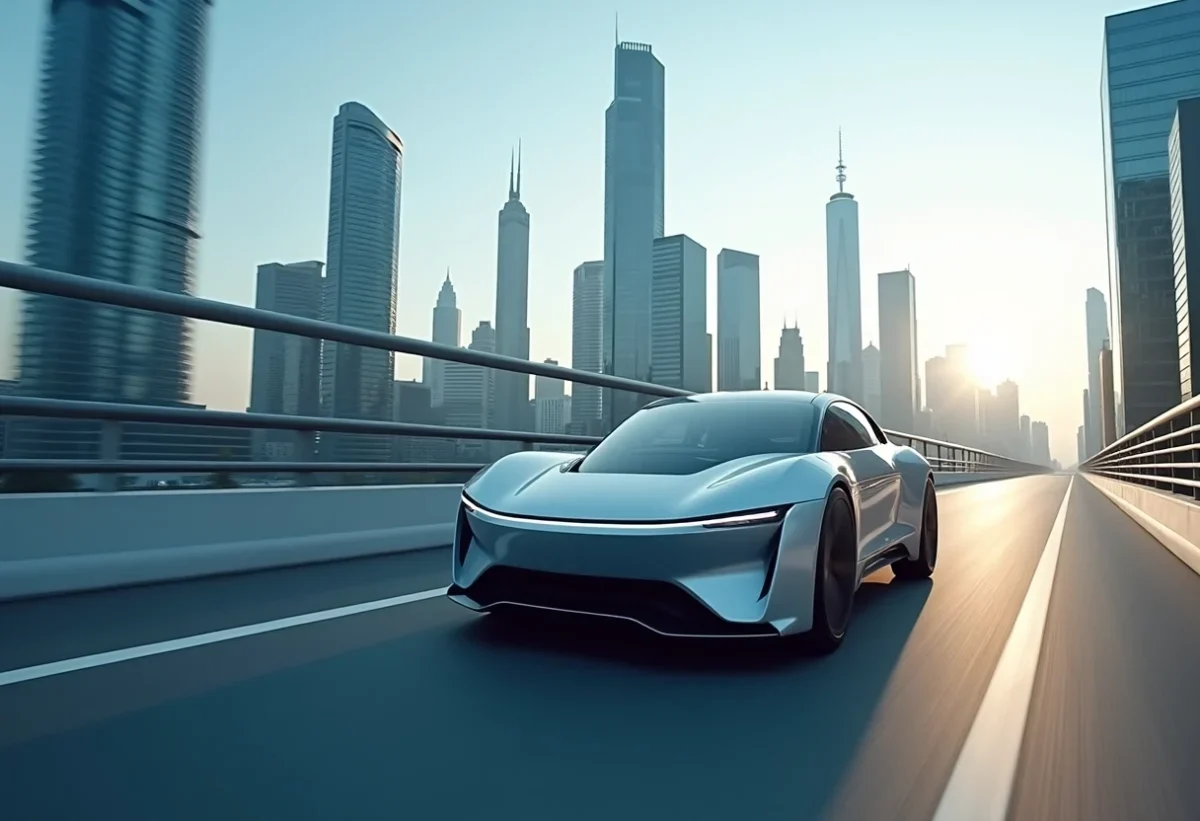
The automotive industry is at a decisive turning point, disrupted by technological innovations and growing environmental concerns. Electric and autonomous vehicles are taking up more space, pushing manufacturers to reinvent their models and strategies. This rapid transformation raises questions about the future of mobility, sustainability, and the impact on employment.
In this rapidly changing context, companies must anticipate trends to remain competitive. Investments in new technologies and adapting to changing consumer expectations are becoming crucial. The evolution of regulations and urban infrastructures will also play a decisive role.
Technological Innovations and Their Impact on the Automotive Industry
The automotive industry is at a fundamental turning point in its history, marked by the rise of electric vehicles and hybrid cars. Automakers are investing heavily in research and development of battery technologies, aiming to accelerate the electrification of their ranges. This transition is supported by initiatives such as those from Avere France, which surpassed 100,000 publicly accessible charging points in May 2023.
Electrification and Autonomous Driving
Consider the impact of autonomous driving on the future of the automotive sector. This technology, utilizing artificial intelligence, promises a significant reduction in road accidents caused by human error. Renault Group has chosen WeRide as a strategic partner for the commercial deployment of level 4 autonomous vehicles, while RATP launched its first autonomous shuttles in Paris in 2026.
- Electric vehicles help preserve the environment.
- Electrified hybrid vehicles are gaining popularity.
- Automakers are investing in electrification.
Forecasts and Strategic Partnerships
According to Virta, electric vehicles and hybrids will represent 40% of purchase intentions in France by the end of 2023. Strategic partnerships, such as that between Renault Group and WeRide, play a key role in this transformation. The platform Worldscoop shows that major players in the sector are betting on innovation to meet upcoming environmental and economic challenges.
Autonomous driving and electrification thus symbolize a revolution in progress. Companies must not only follow these trends but also anticipate them to remain competitive in an ever-evolving market.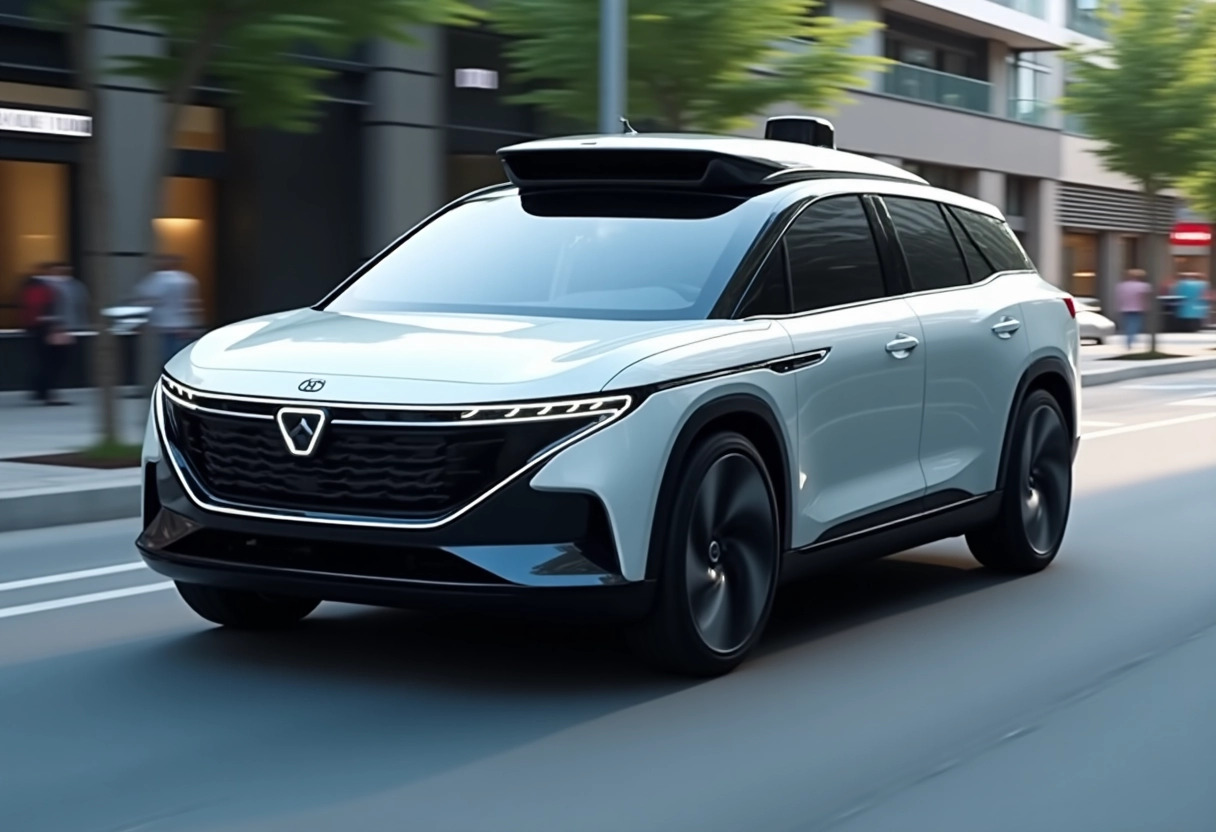
Upcoming Environmental and Economic Challenges
The automotive industry must now face unprecedented environmental and economic challenges. Sustainability will play a central role in the future of this sector. Automakers must integrate environmentally friendly practices, and the rise of the circular economy is an essential component.
- Reuse
- Recycling
- Waste reduction
Consider retrofit, a practice that involves modernizing and improving the components of existing vehicles. This approach not only extends the life of vehicles but also reduces their carbon footprint. The Garantie M, on the other hand, offers a car assistance contract to ensure mobility in all circumstances, a solution that meets the growing needs for sustainability and practicality.
| Challenge | Solution |
|---|---|
| Waste reduction | Circular economy |
| Modernization of vehicles | Retrofit |
| Sustainable mobility | Garantie M |
Public authorities also play a fundamental role in this transition. By supporting modernization initiatives in the industrial sector and encouraging electrification, they can help manufacturers tackle these challenges. Collaboration among the various players in the sector will be crucial to navigate the upcoming economic and environmental complexities.